Flower Art Ideas for a Sympathy Card: A Short Guide
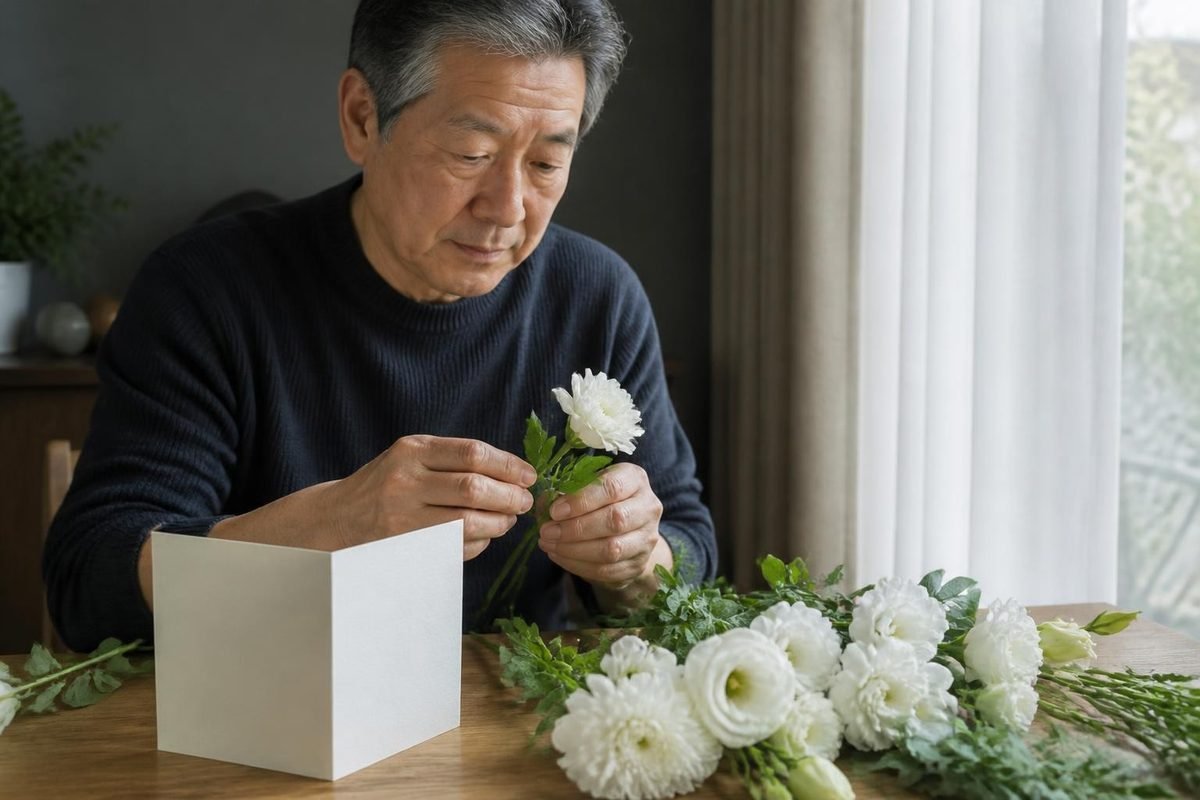
Quiet flower paintings can help you choose a thoughtful design for a sympathy card, especially images with gentle colors, uncluttered shapes, or a reflective feeling. Monet’s water lilies, Van Gogh’s almond blossoms and irises, and Georgia O’Keeffe’s white flowers are useful sources of inspiration.
Artwork to draw inspiration from
Choose an image with the person receiving the card in mind, and consider what might feel comforting to them. You can borrow its colors or shapes for the card while choosing your own words.
- Claude Monet’s Water Lilies: Monet returned to water lilies in many paintings, often surrounding them with reflections across the water. Muted green and blue, with a little pink, can bring to mind a calm garden and keep the design from feeling formal.
- Vincent van Gogh’s Almond Blossom: Light blossoms appear against a blue ground, while the branches extend across the scene. Its distinct forms work well as a guide for a spare card, with open space for a brief note.
- Vincent van Gogh’s Irises: The flowers combine vivid blue and violet petals with lively green leaves. This could be a fitting choice for someone who enjoyed gardening or strong colors. Using one small detail rather than the entire arrangement may give the card a gentler feel.
- Georgia O’Keeffe’s Jimson Weed, White Flower No. 1: Its white flowers have wide, rounded curves. A design based on a single white bloom can feel restrained, particularly against a simple background.
Let the feeling guide you
White flowers are commonly linked with remembrance, but there is no requirement to use them on a sympathy card. Consider the recipient’s preferences, or choose a flower that held meaning for the person who died. A color the recipient knows and likes may feel more personal than a familiar symbol.
Think about how much movement or intensity suits the moment. A still pond or a few blossoms in bloom can leave room for quiet thought. Brighter colors or expressive brushwork can be suitable too, especially if the picture brings a loved one to mind.
You do not have to reproduce a painting exactly. For instance, you could take the idea of the blue background in Almond Blossom and set pale flowers against a light blue wash. For a printed card, make sure the artwork does not crowd out the space needed for your message.
Write with care and clarity
The image can accompany your message, but it does not need to express everything for you. A plain line such as “I am sorry for your loss” is enough. If you knew the person who died, you may also share a particular memory or mention something you valued about them.
Suggest practical support only when you are able to provide it. You could offer to bring a meal or get in touch again next week. Do not try to explain why the loss happened or instruct the recipient on how to feel.
A calm picture paired with a few honest words can make a considerate card. Choose an image that suits the person receiving it, and keep your note straightforward.
Related reading: remote gift ideas